

01:47:00 22.11.2026
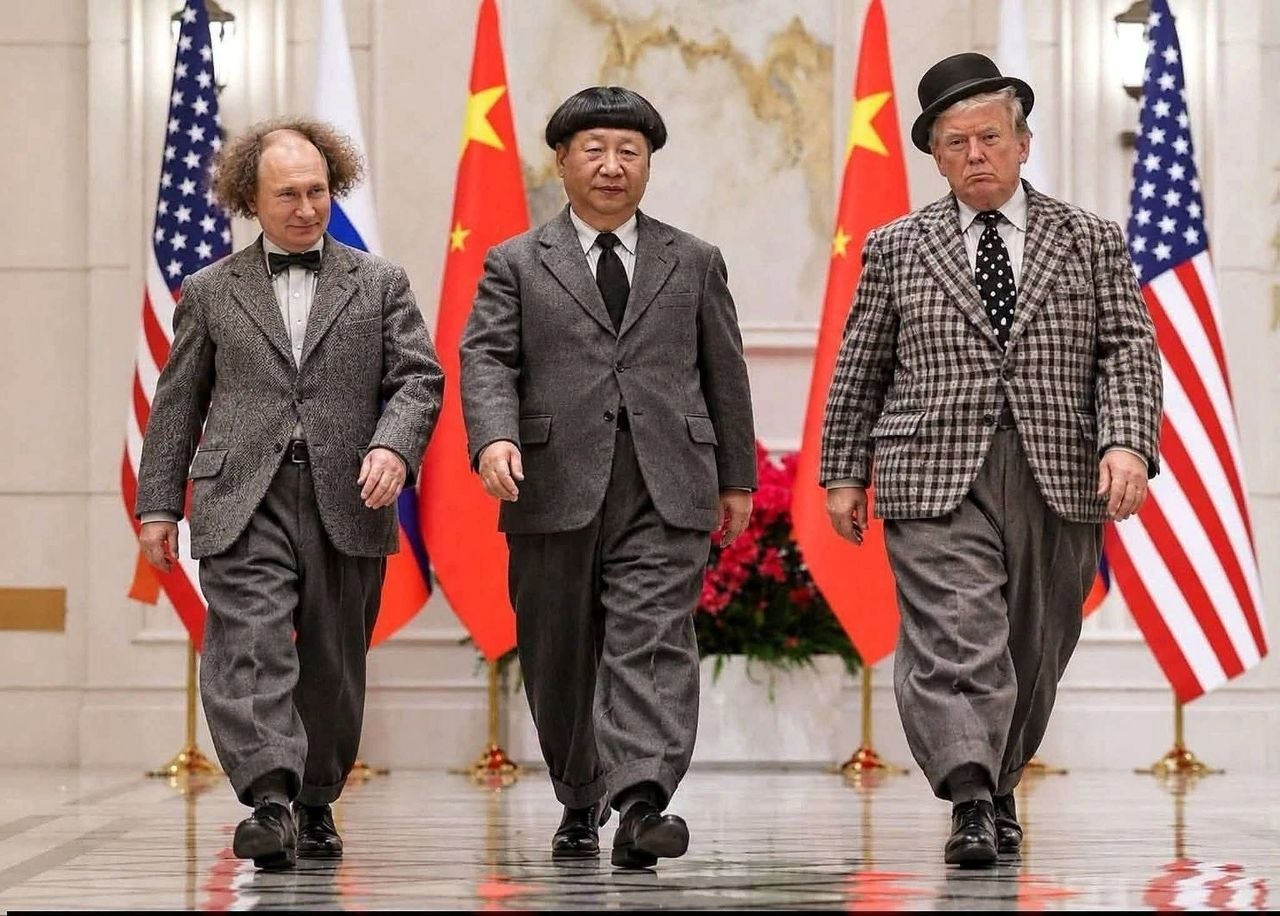
On November 19, the leaders of China, Russia, and the United States met in Shenzhen, China, to discuss critical issues concerning global security and the geopolitical situation. The meeting was particularly significant because the leaders of the world's three superpowers had gathered around the same table.
China benefits from America continuing its war against Iran and Russia continuing its war against Ukraine, as the positions of both rivals would weaken, consequently increasing China's geopolitical influence. Of the three, China has the greatest interest in maintaining the status quo, and this appears to be precisely why no solution was reached during the meeting on how to bring these wars to an end.
Nevertheless, this meeting also demonstrates that, despite these three powers outwardly appearing to oppose one another, they remain the principal actors in the current world order and are far more interconnected than they care to admit. This is because the United States, Russia, and China emerged as superpowers in the devastating aftermath of World War II. Through the Lend-Lease program, the United States helped the Soviet Union win the war, while the Soviet Union, in turn, played a decisive role in establishing communist rule in China. Later, Western capital investments helped transform China into an economic superpower.
The collapse of one superpower could trigger a chain reaction, potentially weakening the other two, because in this age of globalization, superpowers and the states under their influence are interconnected. The global economy depends heavily on the stability and value of the US dollar. And no matter how much China wants or tries to elevate the yuan above the dollar or replace it altogether, doing so will be extremely difficult, if not impossible. The Chinese know this very well, which is precisely why they do not even attempt to do so, because, as previously mentioned, maintaining the status quo serves China's interests.
However we look at the situation, it is becoming increasingly evident that the current world order is entering a period of instability from which there may be no way out...
Subscribe and receive news to your email address.
Comments